

You have a dentist appointment in March already blocked off. Your friend's birthday dinner in June is in the calendar. Even the annual bike tune-up has its own reminder. If you live in the Netherlands, this is just Tuesday.
Dutch planning culture is not a stereotype. It is a social contract. Schedules get filled weeks, sometimes months, in advance, and showing up without a plan is practically an act of rebellion. And yet, somehow, one of the most beloved Dutch rituals keeps slipping through the cracks: finding a good terrace to sit on when the sun decides to cooperate.
That blind spot is exactly what this post is about. We will look at why Dutch people plan everything except this, what the data says about how terraces are actually used across all four seasons, and how thinking ahead about sun, shade, and timing can completely change your outdoor experience. By the end, you will have a clearer picture of what a smarter terrace habit looks like, and why your calendar definitely has room for it.
Nederlanders plannen alles. Niet bijna alles. Alles.
The agendaboekje is a familiar fixture of Dutch life. Whether or not there is a formal name for it, the logic feels collective, scheduling in advance is a small courtesy, a way of keeping things running.
You recognise this immediately. The dinner invite that arrives two weeks early, minimum. The dentist appointment booked in March for a check-up in September. The haircut pencilled in before you have even left the salon. None of this feels excessive to a Dutch person. It feels polite.
Anecdotally, cross the border into Belgium and the picture shifts, a spontaneous "kom je vanavond langs?" is said to be perfectly normal there, even expected. In the Netherlands, showing up unannounced is, at best, eccentric, or so the reputation goes.
None of this is a criticism. It is a system, and it works remarkably well. The Dutch calendar stays full because Dutch people make it full, deliberately and cheerfully.
Which makes one particular habit all the more surprising.
For all this system-building, there is one glaring exception: choosing a terrace on a sunny day.
Picture it. A free Wednesday afternoon appears in your agenda. The sky looks hopeful. You pick a café you vaguely remember liking, claim a chair outside, order a koffie verkeerd, and settle in. Within twenty minutes the sun has shifted behind the building next door and you are sitting in cold shade, jacket on, mildly annoyed. You leave earlier than planned.
This is not a personal failure. It is an information gap. Nobody has ever given you a reliable way to predict which terrace will actually be in sunlight at three o'clock on a specific afternoon. So you guess, like everyone else.
That matters more here than almost anywhere else. The Netherlands averages around 1,780 sunshine hours per year in Amsterdam, with January delivering as little as two hours of sun per day. A shaded terrace on one of those genuinely bright afternoons is not a minor inconvenience; it is a measurable loss of something scarce.
So what would it actually look like to plan for sun exposure the way you plan everything else? Explore Amsterdam's sunniest terraces by neighbourhood and the logic behind predicting them starts to become clear.
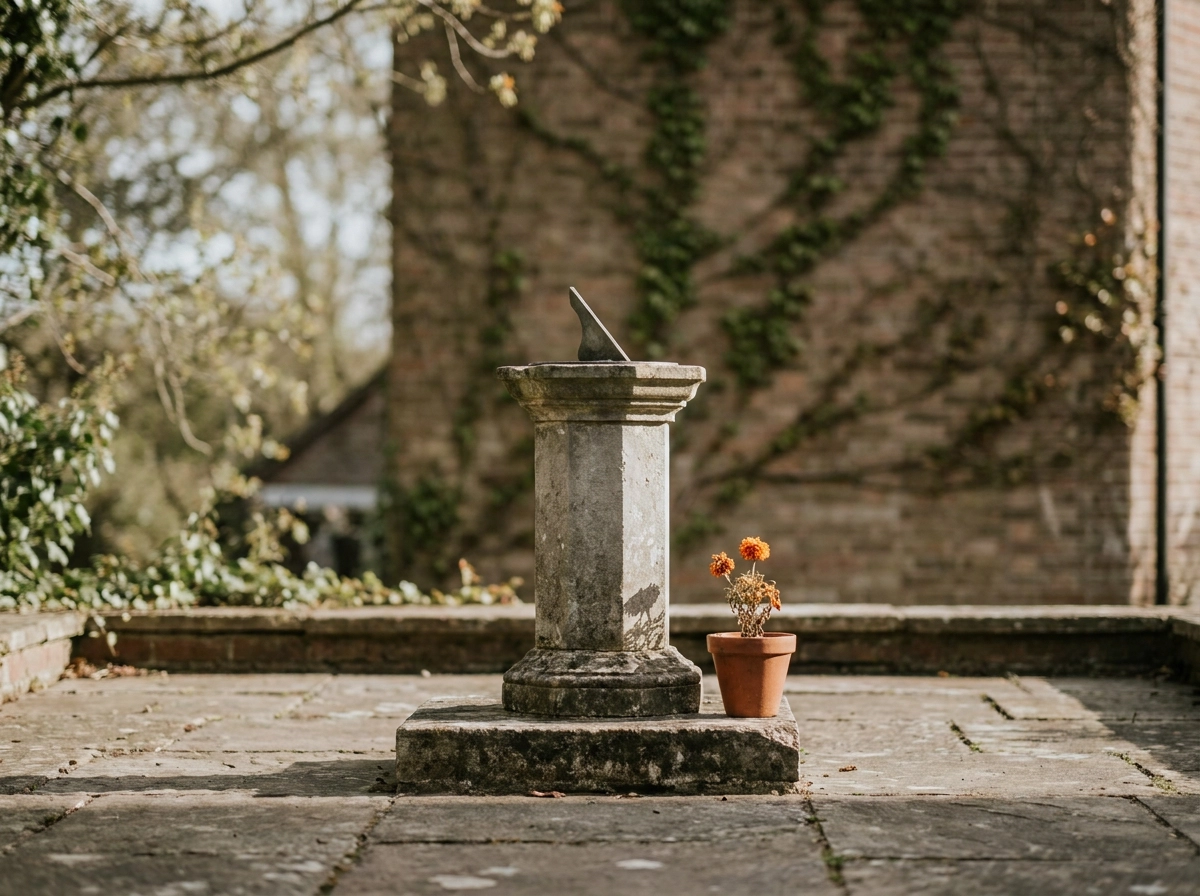
Here is the good news: the sun is not random. It rises at a known angle, tracks a predictable arc, and sets in a fixed direction. Buildings do not move. That combination means shadow patterns on any terrace repeat day after day, season after season, with the same reliability as a train timetable.
Take a simple example. A tall building sitting to the southwest of a terrace will throw its shadow directly over that spot in the mid-to-late afternoon, every single day. The exact timing depends on the building's height and the sun's position for that date, but both of those are calculable well in advance. No guesswork needed.
Checking every building within roughly 100 metres of a terrace gives a complete picture of where shade will fall across the whole day. That radius captures everything close enough to matter.
Weather is the genuinely unpredictable layer. Clouds and rain two Thursdays from now are unknowable. Shadow geometry two Thursdays from now is not. How LumoSpot works makes exactly this distinction, separating fixed geometry from live forecast data.
This information has always existed in physics. It has simply never been translated into something you could check before marking a terrace in your agenda.
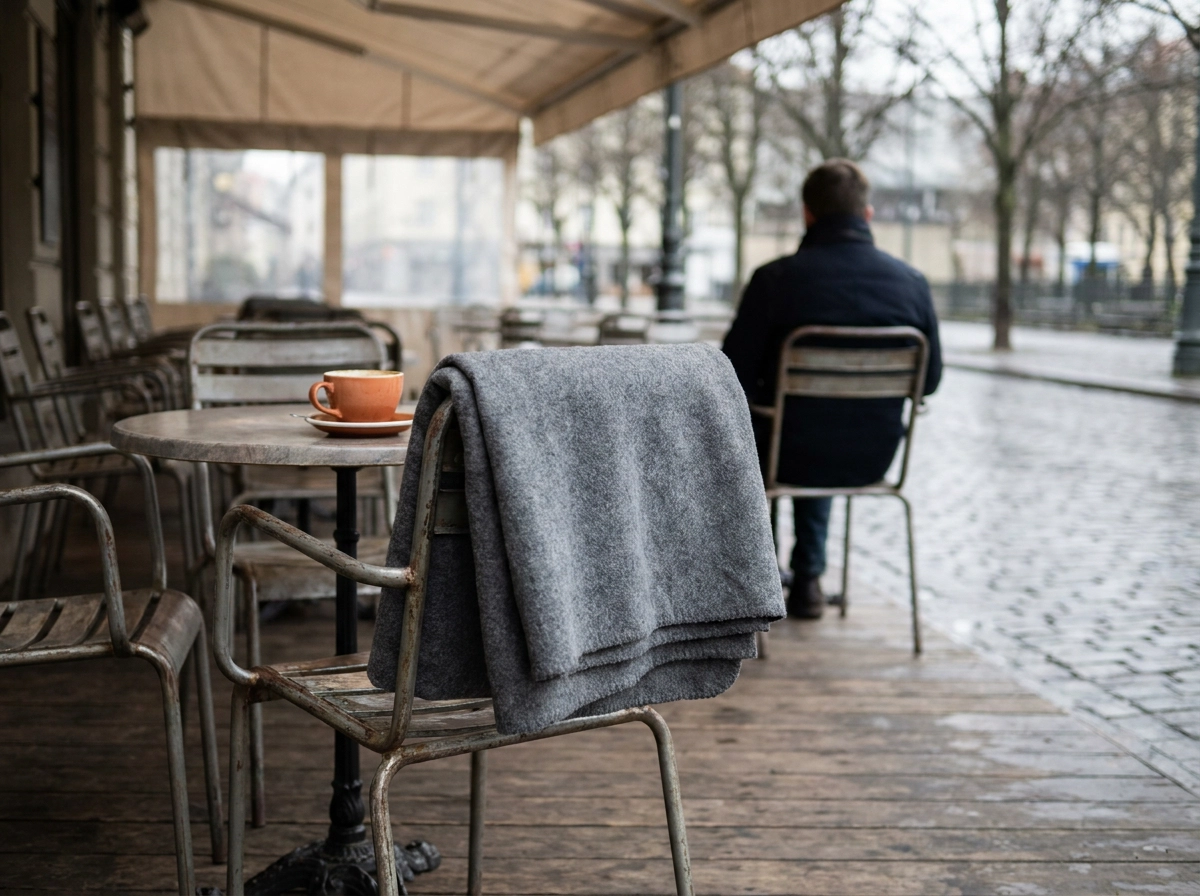
Dutch terrace culture is itself year-round. Een terrasje pakken is a national habit that does not pause for October. Blankets appear, heaters click on, and the terrace fills anyway.
Which makes sun planning proportionate, not obsessive. If you already use terraces in every season, having a reliable way to find sunny ones is simply practical.
At northern latitudes, the sun tracks far lower in autumn and winter than it does in July, which means a terrace that catches afternoon light in summer can end up in deep shadow by October, at the very same hour. The geometry changes; the buildings do not. That makes advance sun information more valuable outside summer, not less.
Year-round terrace use is already the behaviour. Year-round sun planning is simply the logical next step, and you can explore more on how that works across seasons on the LumoSpot blog.
So the logical next step is simply making that check. In Amsterdam, LumoSpot is the tool that does exactly this.
The workflow is straightforward. You have Thursday afternoon blocked. Before you commit to a terrace, you open LumoSpot, pick your neighbourhood, and see which venues will be in direct sun at that time. One check, thirty seconds, done.
There are two ways to look at the information, depending on how far ahead you are planning.
This is the same instinct as checking the NS app before you leave the house, except instead of train times you are confirming sunlight. The plan was already forming; this just removes the one variable you could never account for before. You can read how the service works in full in the Terms and Conditions.

Het planningsinstinct klopt. Terraszon is precies het soort variabele waarvoor het gemaakt is: voorspelbaar in structuur, waardevol in uitkomst, en te belangrijk om aan het toeval over te laten.
Dat je het tot nu toe aan het toeval overliet, is begrijpelijk. De informatie was er simpelweg niet in een vorm die je agenda in kon. Spontaan kiezen was geen slechte gewoonte, het was de enige optie.
Die optie is er nu niet meer de enige.
Kijk eens wat er deze middag in Amsterdam in de zon zit, of zoek op welke terrassen zonlicht vangen op die donderdagmiddag die je al weken geleden hebt ingepland. Eén korte check, dan weet je het.
Je plant de trein, de oppas, het verjaardagsdiner in november. Een terrasje met zon erbij past daar prima bij. De agenda had er altijd al ruimte voor.
The Dutch plan everything, and terrace sun deserves a place in that system. The geometry and the forecast are both in the tool now, which means the decision is as easy as any other calendar entry.
Check which Amsterdam terrace catches afternoon light this Thursday. Look up that Friday lunch you booked two weeks ago and confirm it will actually be worth the trip. Like everything else.