
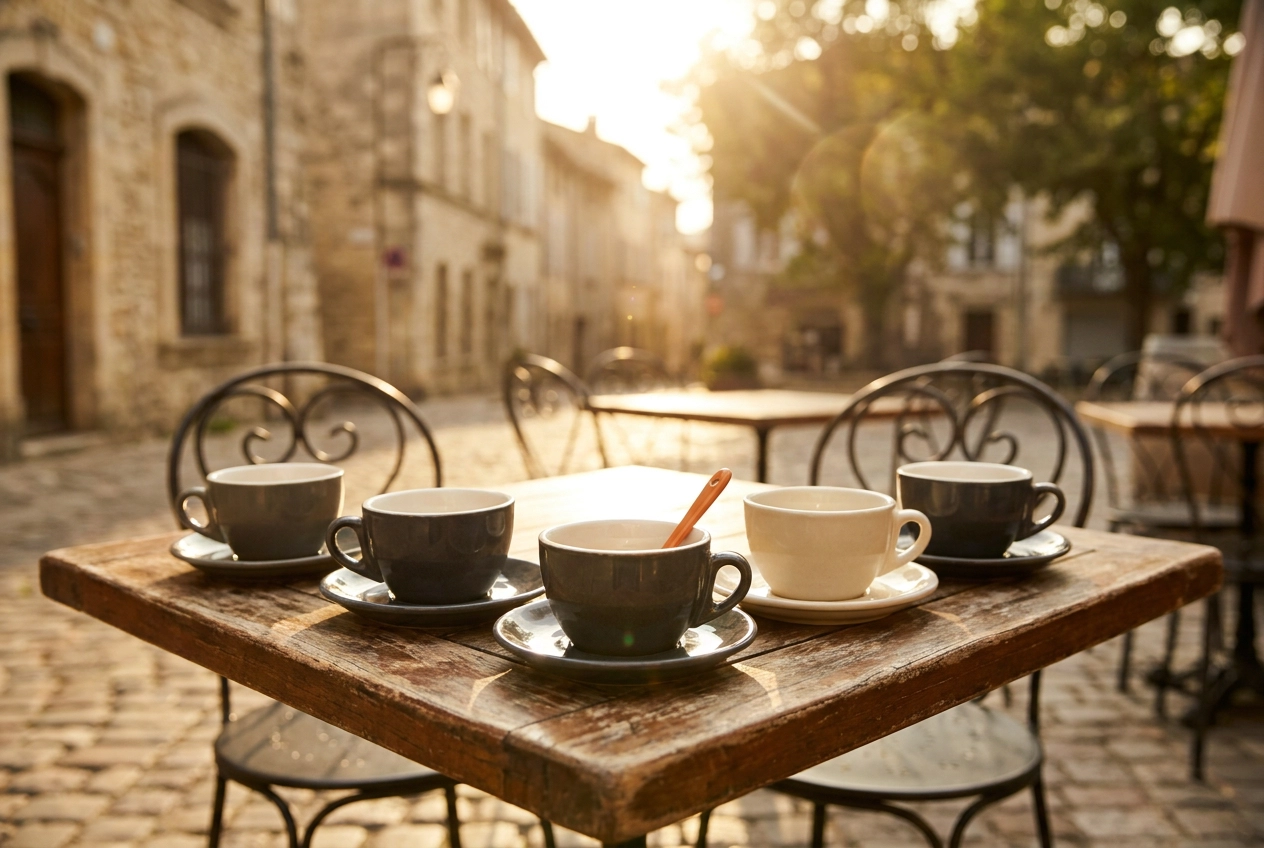
There is something magical about wrapping your hands around a perfectly made coffee while sitting outside, watching a city wake up around you. Whether you are a casual coffee drinker or someone who is just starting to explore the world of specialty brews, coffee culture is one of the most rewarding things to discover when you travel through Europe.
But not every city does it the same way. Some take pride in century-old traditions, others have built entire lifestyles around that morning cup, and a few have quietly become some of the most exciting coffee destinations on the continent. In this post, we are ranking five European cities that truly get coffee right, from Vienna's grand historic cafes all the way up to our top pick, Amsterdam.
You will learn what makes each city's coffee scene special, what to order when you get there, and why Amsterdam has earned its place at the top of the list. Spoiler: it has a lot to do with sunshine, canal-side terraces, and a coffee scene that is more thoughtful than most people expect.
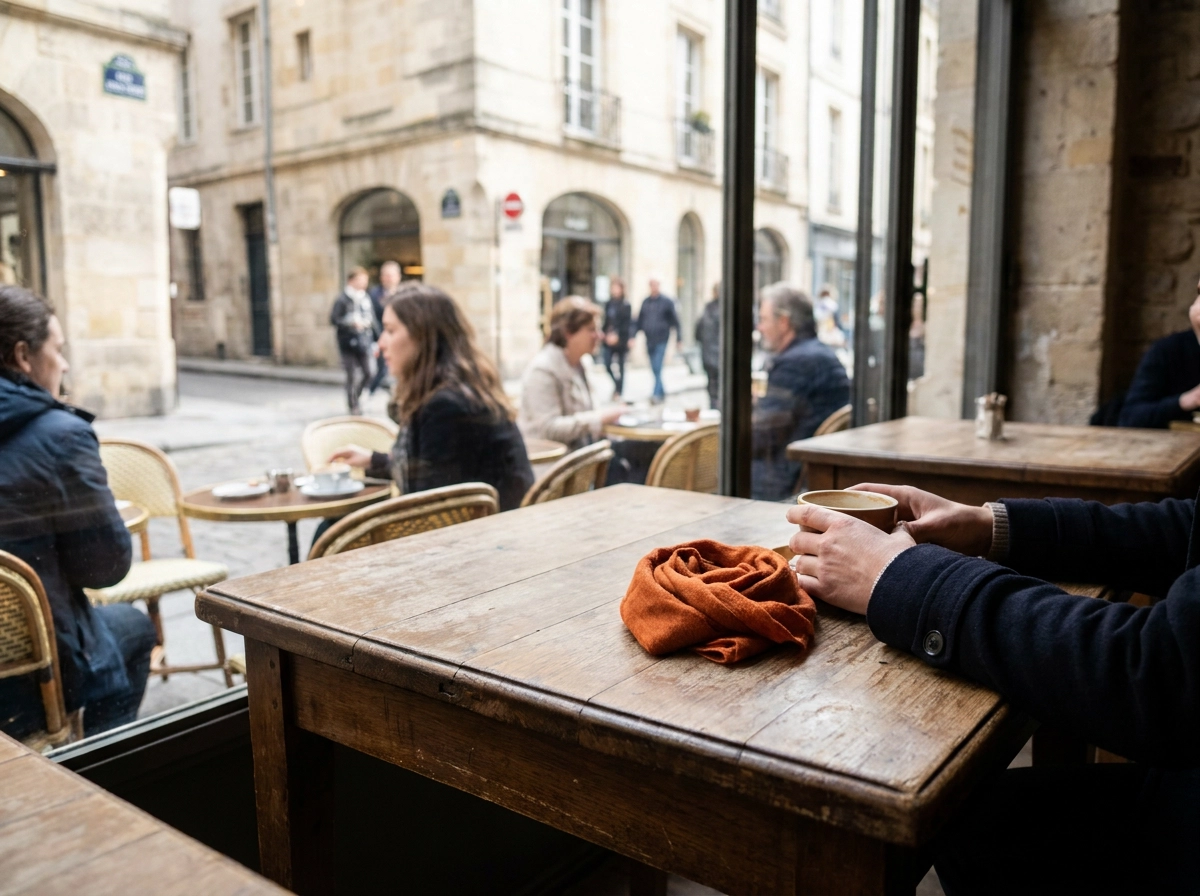
Ask most people what makes a coffee city worth visiting, and they'll mention beans: the roast, the origin, the brewing method. But that's only part of the story.
European café culture is really about how people use coffee. It's a reason to slow down, to sit somewhere specific, to be present in a city rather than passing through it. The best coffee cities in Europe have a ritual built around the cup, not just a quality standard for what's inside it.
That's where outdoor seating becomes surprisingly important. Terraces and esplanadas are where coffee culture actually happens in public. A city can have world-class roasters, but if the café experience is entirely indoors, something essential is missing.
In Northern Europe, this gets interesting. Sunlight is genuinely scarce for much of the year, which means finding a sun-lit terrace table isn't a given; it's a small, satisfying achievement. The further north you go, the more a warm, sunny café spot feels like something you earned rather than something you stumbled into. (It's the same reason finding restaurants with outdoor seating in Amsterdam that actually catch the sun takes more thought than it does in Lisbon.)
This list is built on reputation, traveler experience, and the quality of each city's outdoor café scene. Not a third-party ranking, not café counts per square kilometre. Each city below was chosen because it has a distinct identity around coffee, one you can actually feel when you sit down with a cup.
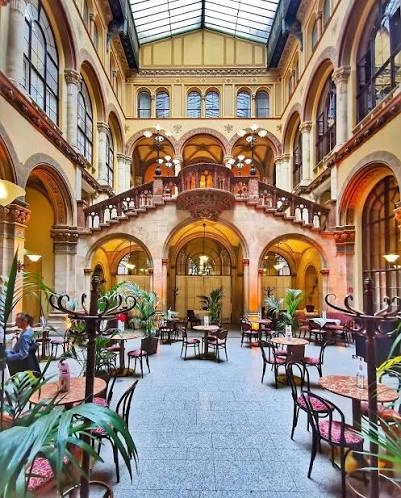
Start with the most striking credential: Vienna's coffeehouse culture is formally listed on UNESCO's Intangible Cultural Heritage register, making it one of the very few places on earth where drinking coffee is recognised as a protected cultural practice. Not the coffee itself, but the entire ritual around it.
That ritual is genuinely old. Viennese coffeehouses trace their origins back centuries, and the pace has barely changed since. Locals order a single Melange and sit with it for an hour, reading a newspaper pulled from a wooden rack by the door. In 2026, that kind of unhurried stillness feels almost rebellious.
The coffee vocabulary alone is worth learning before you visit:
Each order arrives on a silver tray with a small glass of water and a coffee spoon. It is not a workflow, it is a ceremony.
Outdoor seating in Vienna has a different character to most European cities. Terraces here tend to be broad and formal, lining the grand Ringstrasse boulevards rather than tucked into hidden courtyards. The scale suits the architecture.
The best time to experience it is late spring through early autumn, when the city's café gardens, called Schanigärten, open up and pavement tables spill out across the city. Outside that window, the culture retreats indoors, and the marble tables and Thonet chairs become the whole point.
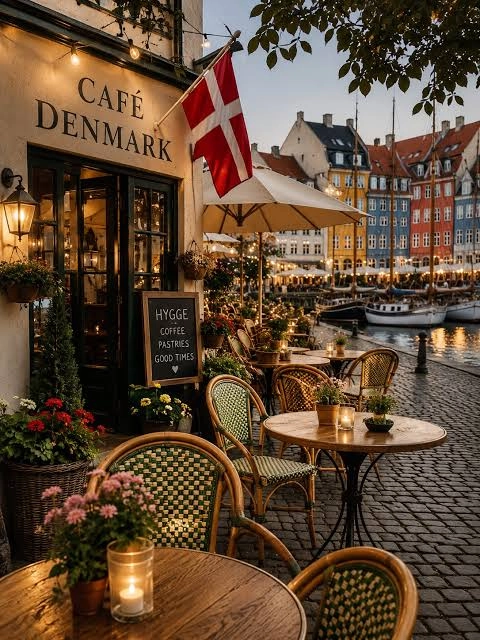
Where Vienna lingers over ceremony, Copenhagen places the obsession squarely in the cup.
Copenhagen has quietly earned a reputation as one of Europe's most serious specialty coffee cities. Roasters like The Coffee Collective have helped establish Copenhagen as a reference point for specialty coffee in the region, and the scene continues to draw attention from coffee travellers across Europe.
The philosophy behind the coffee matters here too. The philosophy of hygge, the Danish idea of cosy, convivial comfort, is widely associated with how Danes socialise, and it shows in café culture: a coffee here is rarely grabbed on the go. It's shared, accompanied by a pastry, and stretched out. Comfort is the point.
On the menu, you'll notice the difference immediately if you're coming from Italy or Spain. Filter coffee and pour-overs lead rather than follow. Single-origin beans and precise brewing methods reflect a broader Scandinavian preoccupation with traceability and craft over espresso speed.
Outdoor seating in Copenhagen might surprise you given the northern climate. Danes are committed to it. Blankets and patio heaters keep terraces open well into October, and Nørrebro is the heart of the scene, packed with cafés spilling onto the pavement.
Cycling is woven into Copenhagen street life, and that easy, unhurried movement between neighbourhoods suits the café culture well.
Up next, we head south for something warmer, cheaper, and shot in under three minutes.
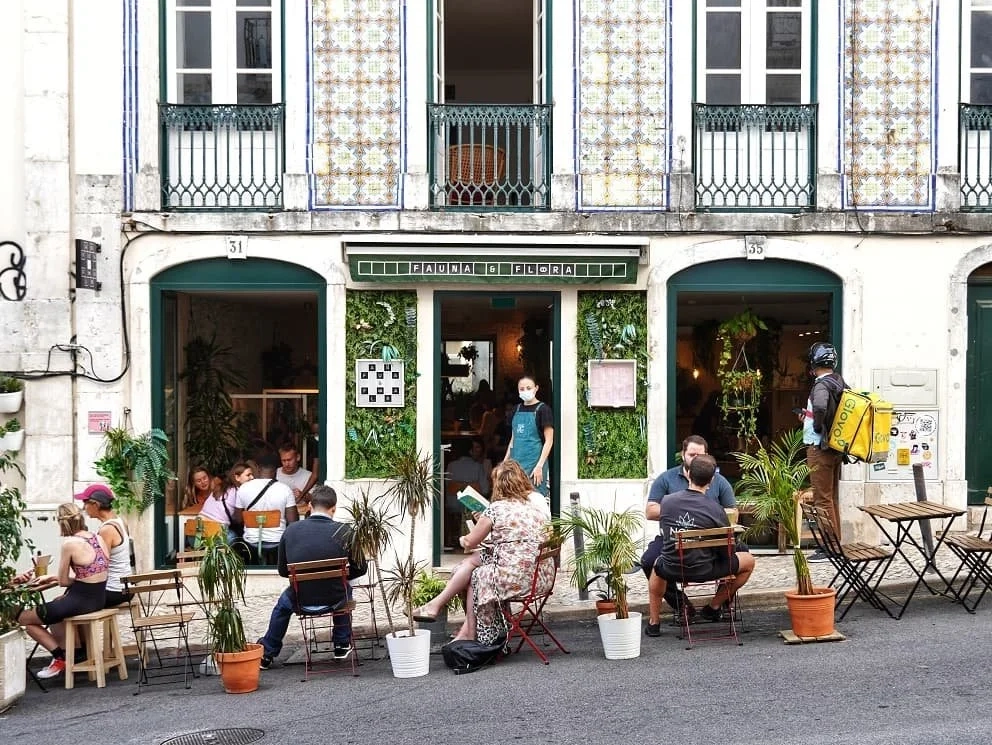
Copenhagen slows things down; Lisbon does the opposite.
Portugal's espresso tradition stretches back centuries, and Lisbon is its beating heart. The local name for espresso is a bica, and locals drink several a day, typically standing at a zinc counter and finishing in under three minutes. It's not a moment to linger; it's a reflex.
The price is almost absurd by Western European standards. A bica at a traditional tasca costs around €0.60 to €0.90, making it the most affordable espresso you'll find in any major European capital.
Lisbon's hilly terrain creates terraces and esplanadas at every elevation, many with panoramic views over rooftops and the Tagus estuary. These aren't just pleasant spots; they're genuinely spectacular, and the sun reaches them generously.
That last point matters more than it sounds. Lisbon's generous Mediterranean sunshine means outdoor coffee is a realistic option well beyond the summer months. You're not waiting for summer.
Third-wave specialty coffee has landed here too, without pushing out the old guard. Newer specialty cafés and roasters have arrived in Lisbon's creative districts, sitting comfortably alongside century-old pastelarias still serving the same dark Robusta-forward bicas they always have. Both cultures coexist without friction, which makes Lisbon feel unusually honest about its coffee identity.
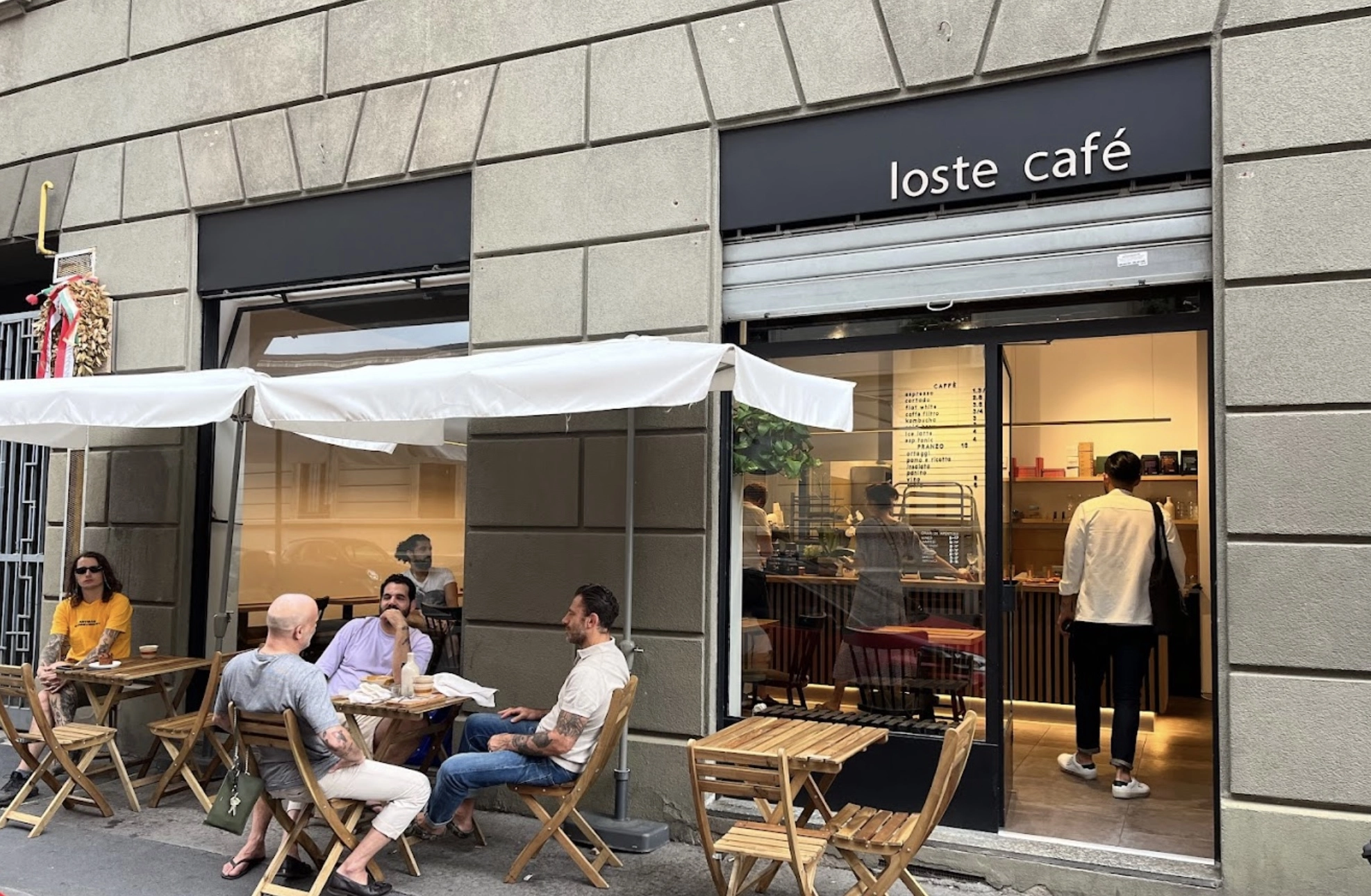
For the origin of the espresso bar itself, the answer is Milan.
Italy gave the world espresso, and Milan is where that tradition runs deepest. The city's café culture is built on three things: speed, precision, and an almost stubborn commitment to quality. A shot pulled badly simply doesn't get served.
The bar-side ritual is the whole point. In Milan, you stand at the counter to drink your espresso. This isn't a quirk; it's a cultural position. Construction workers, lawyers, and fashion editors all order at the same zinc bar, drink in two sips, and leave. Coffee here is democratic in a way that feels genuinely radical compared to the laptop-friendly café formats you'll find further north. Italian coffee culture evolved around this quick, communal pause, the pausa caffè, and Milan treats it as near-sacred ritual.
The historic caffès are still the real deal. Caffè Cova, one of Milan's historic caffès, has been serving locals for generations and feels nothing like a tourist attraction. Milan's bar identity and its coffee identity are closely intertwined: the same establishments that define the espresso scene shape the broader culture of convivial drinking.
Outdoors, the Navigli district is your destination. The canal-side terraces there fill up from late morning during warmer months, alongside the aperitivo belt running through Brera and Isola. In the evenings, the aperitivo ritual kicks in, often starting with a coffee-forward order before shifting to something stronger. That blurring of coffee culture and bar culture is distinctly Milanese and genuinely hard to replicate elsewhere.
.webp)
Amsterdam's answer to espresso purity is a full outdoor coffee lifestyle.
The city's specialty coffee credentials are serious. Amsterdam's specialty coffee scene includes roasters that have built strong local reputations while staying rooted in neighbourhood life. These aren't destination concept stores; they're woven into daily Amsterdam routines.
The canal-side terrace culture matches that quality. Sitting outside with a flat white along the Prinsengracht or Keizersgracht on a sunny afternoon is, genuinely, one of the great simple pleasures in European travel. Amsterdam's canal-side terrace scene is among the most developed in Northern Europe.
Here's the catch every Amsterdam regular knows: the sun moves fast. A terrace that's warm and bright at noon can be sitting in cold canal shadow by 2pm, as the tall, narrow canal-house rooflines cut across the light. Picking the wrong terrace at the wrong time doesn't just mean a mediocre view; it means shivering through your coffee.
That's exactly the problem LumoSpot was built to solve. It maps outdoor café and bar seating across Amsterdam and calculates, using precise sun position data and the actual height and footprint of surrounding buildings, exactly when sunlight reaches each terrace. Layer in a real-time weather forecast and you can find a genuinely sun-lit spot right now, not just one that photographs well.
For a deeper look at where the sun actually falls across the city's neighbourhoods, the Amsterdam sunny terrace neighbourhood guide is a practical starting point.
Amsterdam earns the top spot because scarce Northern European sunshine makes every warm, sun-lit terrace moment feel genuinely earned. Great coffee and great outdoor culture are only half the equation; knowing where the light falls completes it.
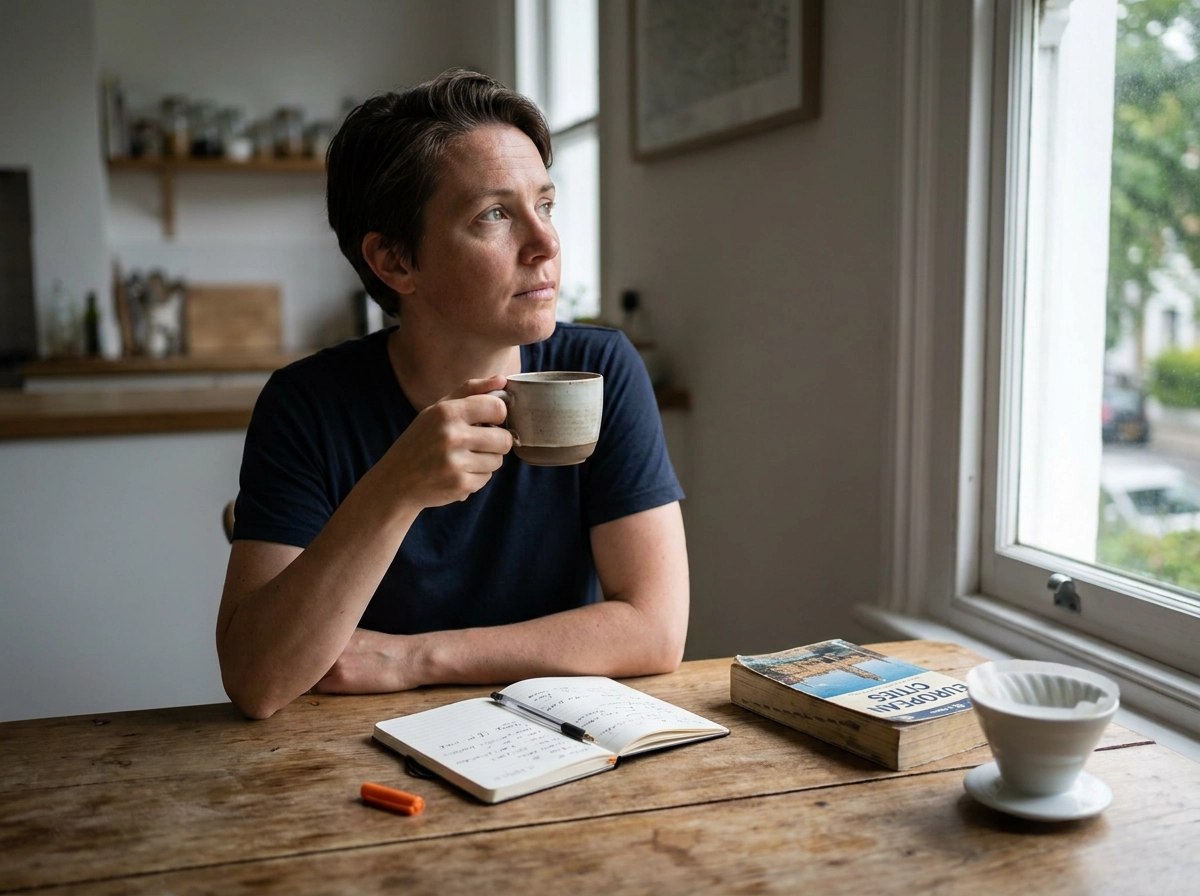
Europe's coffee culture runs deep, but not every city delivers the same experience. Vienna offers ritual and heritage. Milan sets the espresso standard. Lisbon and Copenhagen bring their own distinct character worth seeking out.
Amsterdam earns the top spot because it combines specialty coffee quality with something harder to find in Northern Europe: genuine outdoor living. The canal terraces, the hunt for sunlight, the reward when it all comes together. That combination is difficult to replicate.
If you are planning a coffee-focused trip, match the city to what you actually want from the experience. And if Amsterdam is on your list, do not leave terrace time to chance. Check LumoSpot before you head out, find where the sun is sitting right now, and make the most of every hour outside. Great coffee deserves the right setting.
Er zit iets magisch in het omvatten van een perfect gezette koffie terwijl je buiten zit en een stad om je heen ziet ontwaken. Of je nu een casual koffiedrinker bent of net begint met het ontdekken van de wereld van specialty koffie, koffiecultuur is een van de meest dankbare dingen om te ontdekken als je door Europa reist.
Maar niet elke stad doet het op dezelfde manier. Sommige zijn trots op eeuwenoude tradities, andere hebben er hele levensstijlen omheen gebouwd dat ochtendkopje, en een paar zijn stilletjes uitgegroeid tot de meest spannende koffiebestemmingen van het continent. In dit bericht zetten we vijf Europese steden op een rij die koffie écht goed doen, van Wenens grootse historische cafés helemaal tot onze topkeuze, Amsterdam.
Je leert wat de koffiescene van elke stad bijzonder maakt, wat je moet bestellen als je er bent, en waarom Amsterdam bovenaan de lijst heeft verdiend. Spoiler: het heeft veel te maken met zonneschijn, terrassen aan de gracht, en een koffiescene die doordachter is dan de meeste mensen verwachten.
Vraag de meeste mensen wat een koffiestad de moeite van een bezoek waard maakt, en ze noemen bonen: de branding, de herkomst, de zetmethode. Maar dat is maar een deel van het verhaal.
Europese cafécultuur gaat eigenlijk om hoe mensen koffie gebruiken. Het is een reden om even te vertragen, ergens specifieks te gaan zitten, aanwezig te zijn in een stad in plaats van er doorheen te trekken. De beste koffiesteden van Europa hebben een ritueel rond het kopje gebouwd, niet alleen een kwaliteitsstandaard voor wat erin zit.
Daar wordt buiten zitten verrassend belangrijk. Terrassen en esplanadas zijn waar koffiecultuur zich echt in het openbaar afspeelt. Een stad kan koffiebranders van wereldklasse hebben, maar als de café-ervaring volledig binnen plaatsvindt, ontbreekt er iets wezenlijks.
In Noord-Europa wordt dit interessant. Zonlicht is een groot deel van het jaar echt schaars, wat betekent dat een zonnig terrastafeltje vinden geen vanzelfsprekendheid is; het is een kleine, voldoening gevende prestatie. Hoe verder noordelijk je gaat, hoe meer een warm, zonnig plekje op een café aanvoelt als iets dat je hebt verdiend in plaats van iets waar je toevallig op stuitte. (Het is dezelfde reden waarom het vinden van restaurants met buitenzitplaatsen in Amsterdam die echt de zon vangen meer denkwerk vergt dan in Lissabon.)
Deze lijst is gebaseerd op reputatie, reiservaring en de kwaliteit van elke stad's terrassenscene. Geen externe ranglijst, geen aantal cafés per vierkante kilometer. Elke stad hieronder is gekozen omdat hij een duidelijke identiteit rond koffie heeft, eentje die je echt voelt als je gaat zitten met een kopje.
Begin met het meest opvallende bewijsstuk: Wenens koffiehuiscultuur staat formeel op UNESCO's lijst van immaterieel cultureel erfgoed, waardoor het een van de weinige plekken op aarde is waar het drinken van koffie erkend wordt als beschermde culturele praktijk. Niet de koffie zelf, maar het hele ritueel eromheen.
Dat ritueel is werkelijk oud. Weense koffiehuizen gaan eeuwen terug, en het tempo is nauwelijks veranderd. Locals bestellen een enkele Melange en zitten er een uur mee, terwijl ze een krant lezen die ze uit een houten rek naast de deur hebben gepakt. In 2026 voelt dat soort ongehaaste rust bijna rebels aan.
De koffiewoordenschat alleen al is het leren waard voordat je op bezoek gaat:
Elke bestelling komt op een zilveren dienblad met een glaasje water en een koffielepel. Het is geen workflow, het is een ceremonie.
Buiten zitten in Wenen heeft een ander karakter dan in de meeste Europese steden. Terrassen zijn hier doorgaans breed en formeel, langs de grootse Ringstrasse-boulevards in plaats van weggestopt in verborgen binnenplaatsen. De schaal past bij de architectuur.
De beste tijd om het te ervaren is laat voorjaar tot begin herfst, wanneer de cafétuinen van de stad, Schanigärten genoemd, opengaan en de tafeltjes op het trottoir de hele stad in stromen. Buiten dat seizoen trekt de cultuur zich terug naar binnen, en worden de marmeren tafeltjes en Thonet-stoelen het hele punt.
Waar Wenen bij het ceremonieel blijft hangen, legt Kopenhagen de obsessie recht in het kopje.
Kopenhagen heeft stilletjes een reputatie opgebouwd als een van Europa's meest serieuze specialty-koffiesteden. Koffiebranders zoals The Coffee Collective hebben Kopenhagen helpen vestigen als referentiepunt voor specialty koffie in de regio, en de scene blijft de aandacht trekken van koffiereizigers uit heel Europa.
De filosofie achter de koffie doet er hier ook toe. De filosofie van hygge, het Deense idee van gezellig, hartelijk comfort, wordt breed geassocieerd met hoe Denen socialiseren, en het is terug te zien in de cafécultuur: een koffie wordt hier zelden snel onderweg gegrepen. Hij wordt gedeeld, vergezeld van gebak, en uitgerekt. Comfort is het hele punt.
Op het menu merk je het verschil meteen als je uit Italië of Spanje komt. Filterkoffie en pour-overs staan voorop in plaats van op de tweede plaats. Single-origin bonen en precieze zetmethoden weerspiegelen een bredere Scandinavische gerichtheid op traceerbaarheid en vakmanschap boven espressosnelheid.
Buiten zitten in Kopenhagen kan je verrassen gezien het noordelijke klimaat. Denen zetten zich er voor in. Dekens en terrasverwarmers houden terrassen tot ver in oktober open, en Nørrebro is het hart van de scene, vol cafés die het trottoir op stromen.
Fietsen zit verweven in het straatleven van Kopenhagen, en die ontspannen, ongehaaste beweging tussen wijken past goed bij de cafécultuur.
Hierna gaan we zuidwaarts voor iets warmers, goedkopers, en in minder dan drie minuten opgedronken.
Kopenhagen vertraagt de zaak; Lissabon doet het tegenovergestelde.
Portugals espressotraditie gaat eeuwen terug, en Lissabon is het kloppende hart ervan. De lokale naam voor espresso is een bica, en locals drinken er meerdere per dag, meestal staand aan een zinken toog en klaar in minder dan drie minuten. Het is geen moment om te talmen; het is een reflex.
De prijs is bijna absurd naar West-Europese maatstaven. Een bica bij een traditionele tasca kost rond de €0,60 tot €0,90, waarmee het de betaalbaarste espresso is die je in een grote Europese hoofdstad vindt.
Lissabons heuvelachtige terrein creëert terrassen en esplanadas op elke hoogte, veel met panoramisch uitzicht over daken en de Taag-monding. Dit zijn niet zomaar fijne plekjes; ze zijn echt spectaculair, en de zon bereikt ze rijkelijk.
Dat laatste punt doet er meer toe dan het klinkt. Lissabons overvloedige mediterrane zonneschijn betekent dat buiten koffiedrinken een realistische optie is ver na de zomermaanden. Je hoeft niet op de zomer te wachten.
Ook third-wave specialty koffie heeft hier voet aan de grond gekregen, zonder de oude garde te verdringen. Nieuwere specialty cafés en koffiebranders zijn aangekomen in Lissabons creatieve wijken, en zitten er comfortabel naast eeuwenoude pastelarias die nog steeds dezelfde donkere, op Robusta gerichte bica's serveren als altijd. Beide culturen bestaan naast elkaar zonder wrijving, wat Lissabon ongewoon eerlijk laat voelen over zijn koffie-identiteit.
Voor de oorsprong van de espressobar zelf is het antwoord Milaan.
Italië gaf de wereld espresso, en Milaan is waar die traditie het diepst gaat. De cafécultuur van de stad is gebouwd op drie dingen: snelheid, precisie, en een bijna koppige toewijding aan kwaliteit. Een slecht gezette shot wordt simpelweg niet geserveerd.
Het ritueel aan de bar is het hele punt. In Milaan sta je aan de toog om je espresso te drinken. Dit is geen gril; het is een culturele positie. Bouwvakkers, advocaten en modejournalisten bestellen allemaal aan dezelfde zinken bar, drinken in twee slokken, en vertrekken. Koffie is hier democratisch op een manier die echt radicaal aanvoelt vergeleken met de laptopvriendelijke caféformules die je verder noordwaarts tegenkomt. De Italiaanse koffiecultuur ontwikkelde zich rond deze snelle, gemeenschappelijke pauze, de pausa caffè, en Milaan behandelt het als een bijna heilig ritueel.
De historische caffès zijn nog steeds het echte werk. Caffè Cova, een van Milaans historische caffès, bedient al generaties lang locals en voelt totaal niet als een toeristenattractie. Milaans bar-identiteit en zijn koffie-identiteit zijn nauw verweven: dezelfde etablissementen die de espressoscene definiëren, geven ook vorm aan de bredere cultuur van gezellig drinken.
Buiten is de Navigli-wijk je bestemming. De terrassen aan het kanaal daar lopen vol vanaf laat in de ochtend tijdens de warmere maanden, samen met de aperitivo-strook die door Brera en Isola loopt. In de avond komt het aperitivo-ritueel op gang, vaak beginnend met een koffiegerichte bestelling voordat het overgaat naar iets sterkers. Die vervaging tussen koffiecultuur en barcultuur is typisch Milanees en echt lastig elders te repliceren.
Amsterdams antwoord op espressopurisme is een volledige buiten-koffielevensstijl.
De specialty-koffie-credentials van de stad zijn serieus. Amsterdams specialty-koffiescene omvat koffiebranders die een sterke lokale reputatie hebben opgebouwd terwijl ze geworteld blijven in het buurtleven. Dit zijn geen conceptwinkels als bestemming op zich; ze zijn verweven in de dagelijkse routines van Amsterdam.
De terrascultuur aan de gracht past bij die kwaliteit. Buiten zitten met een flat white langs de Prinsengracht of Keizersgracht op een zonnige middag is, écht, een van de grote simpele genoegens van reizen in Europa. Amsterdams terrasscene aan de grachten is een van de meest ontwikkelde van Noord-Europa.
Hier is het addertje dat elke Amsterdammer kent: de zon beweegt snel. Een terras dat om twaalf uur warm en zonnig is, kan om 14:00 al in koude schaduw van de gracht liggen, omdat de hoge, smalle grachtenpanden het licht afsnijden. Het verkeerde terras kiezen op het verkeerde moment betekent niet alleen een middelmatig uitzicht; het betekent rillend je koffie drinken.
Precies dat probleem is waarvoor LumoSpot gebouwd is. Het brengt buitenzitplaatsen van cafés en bars in heel Amsterdam in kaart en berekent, met precieze zonpositiedata en de daadwerkelijke hoogte en footprint van omliggende gebouwen, exact wanneer zonlicht elk terras bereikt. Voeg daar een real-time weersverwachting aan toe en je vindt een écht zonovergoten plekje, hier en nu, niet alleen eentje dat mooi op foto staat.
Voor een diepere blik op waar de zon daadwerkelijk valt in de wijken van de stad, is de gids over zonnige terraswijken in Amsterdam een praktisch startpunt.
Amsterdam verdient de eerste plek omdat schaarse Noord-Europese zonneschijn elk warm, zonovergoten terrasmoment écht verdiend laat voelen. Geweldige koffie en geweldige buitencultuur zijn maar de helft van het verhaal; weten waar het licht valt, maakt het compleet.
Europa's koffiecultuur gaat diep, maar niet elke stad biedt dezelfde ervaring. Wenen biedt ritueel en erfgoed. Milaan zet de espressostandaard. Lissabon en Kopenhagen brengen elk hun eigen karakter dat de moeite van het opzoeken waard is.
Amsterdam verdient de eerste plek omdat het specialty-koffiekwaliteit combineert met iets dat moeilijker te vinden is in Noord-Europa: écht buitenleven. De terrassen aan de gracht, de jacht op zonlicht, de beloning wanneer het allemaal samenkomt. Die combinatie is lastig te evenaren.
Als je een koffiegerichte trip plant, kies de stad die past bij wat je echt uit de ervaring wilt halen. En als Amsterdam op je lijst staat, laat terrastijd niet aan het toeval over. Check LumoSpot voordat je op pad gaat, vind waar de zon nu precies zit, en haal het maximale uit elk uur buiten. Geweldige koffie verdient de juiste plek.