
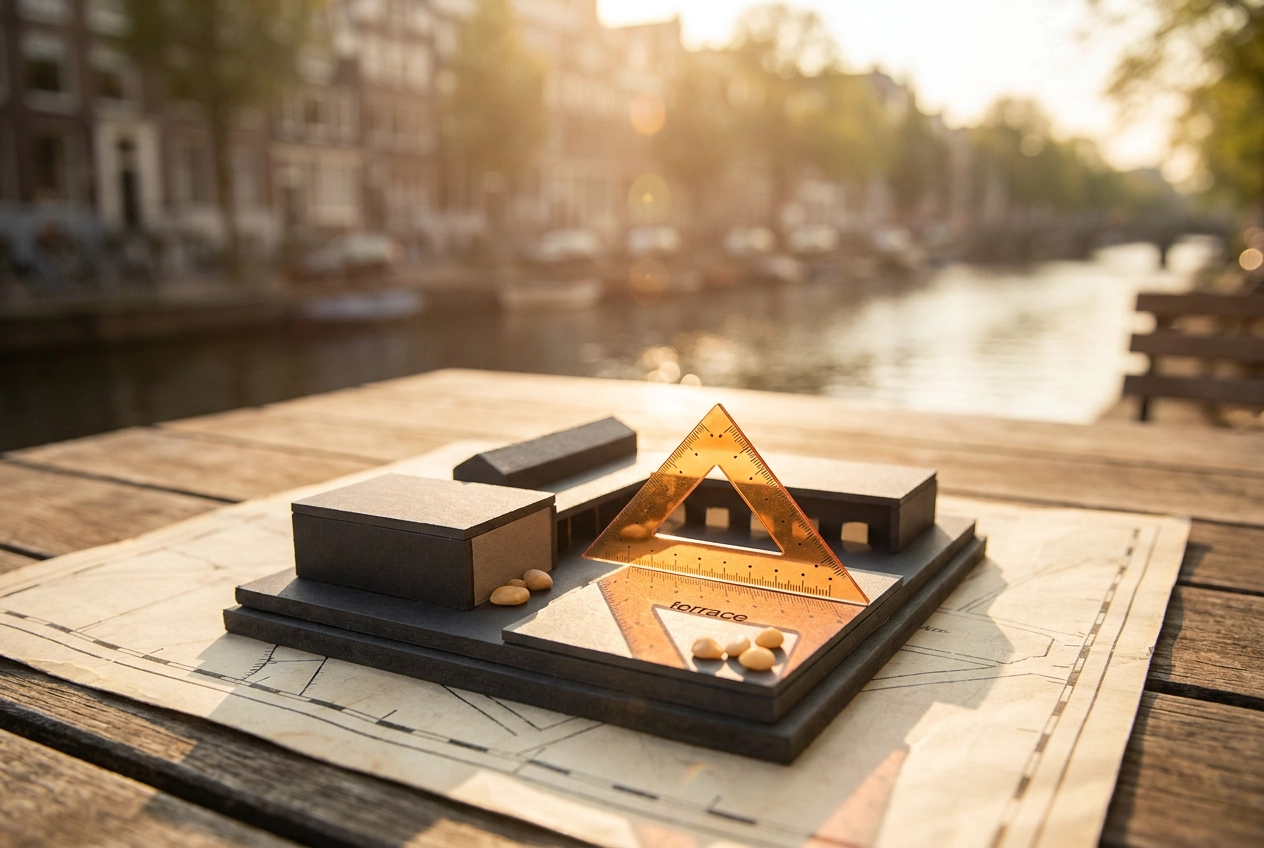
You have a dentist appointment in March already blocked off. Your friend's birthday dinner in June is in the calendar. Even the annual bike tune-up has its own reminder. If you live in the Netherlands, this is just Tuesday.
Dutch planning culture is not a stereotype. It is a social contract. Schedules get filled weeks, sometimes months, in advance, and showing up without a plan is practically an act of rebellion. And yet, somehow, one of the most beloved Dutch rituals keeps slipping through the cracks: finding a good terrace to sit on when the sun decides to cooperate.
That blind spot is exactly what this post is about. We will look at why Dutch people plan everything except this, what the data says about how terraces are actually used across all four seasons, and how thinking ahead about sun, shade, and timing can completely change your outdoor experience. By the end, you will have a clearer picture of what a smarter terrace habit looks like, and why your calendar definitely has room for it.
Not almost everything. Everything.
The paper agenda is a familiar fixture of Dutch life. Whatever it is called, the logic feels collective: scheduling in advance is a small courtesy, a way of keeping things running.
You recognise this immediately. The dinner invite that arrives two weeks early, minimum. The dentist appointment booked in March for a check-up in September. The haircut pencilled in before you have even left the salon. None of this feels excessive to a Dutch person. It feels polite.
Anecdotally, cross the border into Belgium and the picture shifts, a spontaneous "are you coming over tonight?" is said to be perfectly normal there, even expected. In the Netherlands, showing up unannounced is, at best, eccentric, or so the reputation goes.
None of this is a criticism. It is a system, and it works remarkably well. The Dutch calendar stays full because Dutch people make it full, deliberately and cheerfully.
Which makes one particular habit all the more surprising.
For all this system-building, there is one glaring exception: choosing a terrace on a sunny day.
Picture it. A free Wednesday afternoon appears in your agenda. The sky looks hopeful. You pick a café you vaguely remember liking, claim a chair outside, order a latte, and settle in. Within twenty minutes the sun has shifted behind the building next door and you are sitting in cold shade, jacket on, mildly annoyed. You leave earlier than planned.
This is not a personal failure. It is an information gap. Nobody has ever given you a reliable way to predict which terrace will actually be in sunlight at three o'clock on a specific afternoon. So you guess, like everyone else.
That matters more here than almost anywhere else. The Netherlands averages around 1,780 sunshine hours per year in Amsterdam, with January delivering as little as two hours of sun per day. A shaded terrace on one of those genuinely bright afternoons is not a minor inconvenience; it is a measurable loss of something scarce.
So what would it actually look like to plan for sun exposure the way you plan everything else? Explore Amsterdam's sunniest terraces by neighbourhood and the logic behind predicting them starts to become clear.
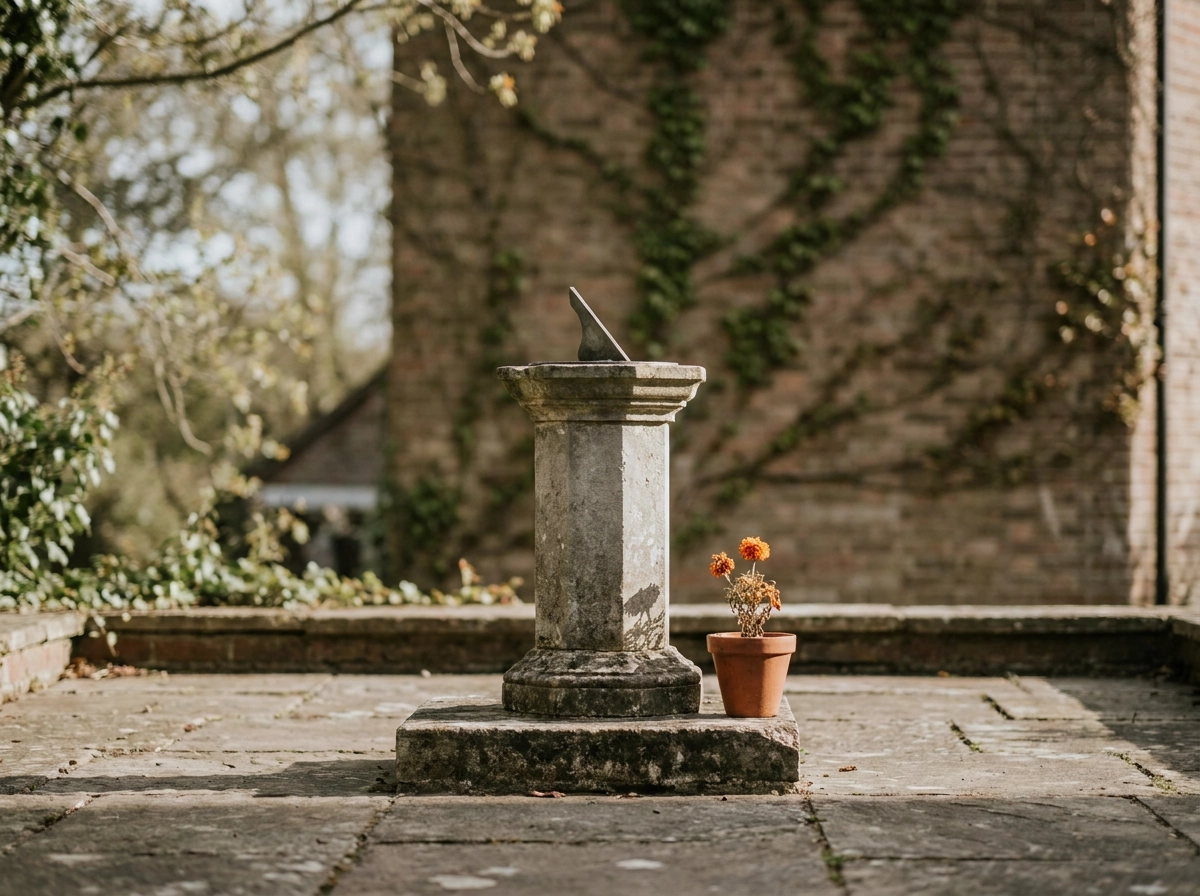
Here is the good news: the sun is not random. It rises at a known angle, tracks a predictable arc, and sets in a fixed direction. Buildings do not move. That combination means shadow patterns on any terrace repeat day after day, season after season, with the same reliability as a train timetable.
Take a simple example. A tall building sitting to the southwest of a terrace will throw its shadow directly over that spot in the mid-to-late afternoon, every single day. The exact timing depends on the building's height and the sun's position for that date, but both of those are calculable well in advance. No guesswork needed.
Checking every building within roughly 100 metres of a terrace gives a complete picture of where shade will fall across the whole day. That radius captures everything close enough to matter.
Weather is the genuinely unpredictable layer. Clouds and rain two Thursdays from now are unknowable. Shadow geometry two Thursdays from now is not. How LumoSpot works makes exactly this distinction, separating fixed geometry from live forecast data.
This information has always existed in physics. It has simply never been translated into something you could check before marking a terrace in your agenda.
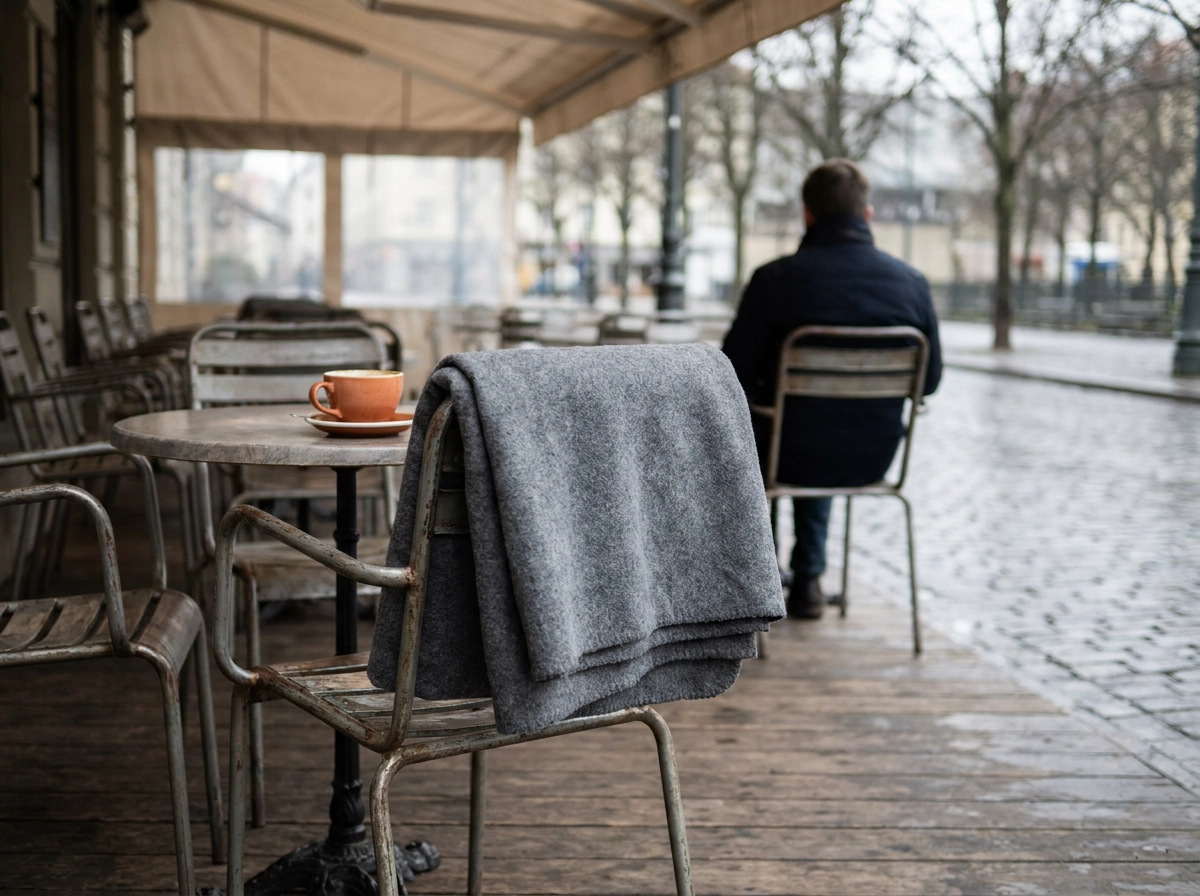
Dutch terrace culture is itself year-round. Grabbing a table outside is a national habit that does not pause for October. Blankets appear, heaters click on, and the terrace fills anyway.
Which makes sun planning proportionate, not obsessive. If you already use terraces in every season, having a reliable way to find sunny ones is simply practical.
At northern latitudes, the sun tracks far lower in autumn and winter than it does in July, which means a terrace that catches afternoon light in summer can end up in deep shadow by October, at the very same hour. The geometry changes; the buildings do not. That makes advance sun information more valuable outside summer, not less.
Year-round terrace use is already the behaviour. Year-round sun planning is simply the logical next step, and you can explore more on how that works across seasons on the LumoSpot blog.
So the logical next step is simply making that check. In Amsterdam, LumoSpot is the tool that does exactly this.
The workflow is straightforward. You have Thursday afternoon blocked. Before you commit to a terrace, you open LumoSpot, pick your neighbourhood, and see which venues will be in direct sun at that time. One check, thirty seconds, done.
There are two ways to look at the information, depending on how far ahead you are planning.
This is the same instinct as checking the NS app before you leave the house, except instead of train times you are confirming sunlight. The plan was already forming; this just removes the one variable you could never account for before. You can read how the service works in full in the Terms and Conditions.

The planning instinct is right. Terrace sun is exactly the kind of variable it was made for: predictable in structure, valuable in outcome, and too important to leave to chance.
That you have left it to chance until now is understandable. The information simply was not available in a form that could fit into your agenda. Choosing spontaneously was not a bad habit; it was the only option.
That is no longer the only option.
Take a look at what is in the sun in Amsterdam this afternoon, or look up which terraces catch sunlight on that Thursday afternoon you planned weeks ago. One short check, and you know.
You plan the train, the babysitter, the birthday dinner in November. A terrace with sun fits in nicely. Your agenda always had room for it.
The Dutch plan everything, and terrace sun deserves a place in that system. The geometry and the forecast are both in the tool now, which means the decision is as easy as any other calendar entry.
Check which Amsterdam terrace catches afternoon light this Thursday. Look up that Friday lunch you booked two weeks ago and confirm it will actually be worth the trip. Like everything else.
Je tandartsafspraak in maart staat al vast. Het verjaardagsdiner van je vriend in juni staat in de agenda. Zelfs de jaarlijkse fietscontrole heeft een eigen herinnering. Woon je in Nederland, dan is dit gewoon een dinsdag.
Nederlandse plancultuur is geen cliché. Het is een sociaal contract. Agenda's raken weken, soms maanden van tevoren vol, en zonder plan aan komen zetten is bijna een daad van rebellie. En toch glipt een van de meest geliefde Nederlandse rituelen er steeds tussendoor: een goed terras vinden om op te zitten als de zon meewerkt.
Over die blinde vlek gaat dit artikel. We kijken waarom Nederlanders alles plannen behalve dit, wat de data zeggen over hoe terrassen in alle vier de seizoenen worden gebruikt, en hoe vooruitdenken over zon, schaduw en timing je buitenbeleving compleet kan veranderen. Aan het einde heb je een helderder beeld van hoe een slimmere terrasgewoonte eruitziet, en waarom je agenda er zeker ruimte voor heeft.
Nederlanders plannen alles. Niet bijna alles. Alles.
Het agendaboekje is een vertrouwd verschijnsel in het Nederlandse leven. Of het nu een officiële naam heeft of niet, de logica voelt collectief: vooruit plannen is een kleine beleefdheid, een manier om de boel draaiende te houden.
Je herkent het meteen. De uitnodiging voor een etentje die minimaal twee weken van tevoren komt. De tandartsafspraak die in maart wordt gemaakt voor een controle in september. De kapper die is ingepland voordat je de salon uit bent. Voor een Nederlander voelt dit niet overdreven. Het voelt beleefd.
Steek de grens met België over en het beeld verschuift: een spontaan "kom je vanavond langs?" zou daar volkomen normaal zijn, zelfs verwacht. In Nederland is onaangekondigd langskomen hooguit excentriek, zo luidt de reputatie.
Niets hiervan is kritiek. Het is een systeem, en het werkt opmerkelijk goed. De Nederlandse agenda blijft vol omdat Nederlanders hem vol maken, bewust en opgewekt.
Wat één specifieke gewoonte des te opvallender maakt.
Bij al dat systemen bouwen is er één opvallende uitzondering: een terras kiezen op een zonnige dag.
Stel je voor. Er verschijnt een vrije woensdagmiddag in je agenda. De lucht ziet er hoopvol uit. Je kiest een café waarvan je vaag weet dat je het er leuk vond, pakt buiten een stoel, bestelt een koffie verkeerd en gaat zitten. Binnen twintig minuten is de zon achter het gebouw ernaast verdwenen en zit je in koude schaduw, jas aan, licht geïrriteerd. Je vertrekt eerder dan gepland.
Dit is geen persoonlijk falen. Het is een informatiekloof. Niemand heeft je ooit een betrouwbare manier gegeven om te voorspellen welk terras op een bepaalde middag om drie uur echt in de zon ligt. Dus je gokt, net als iedereen.
Dat telt hier zwaarder dan bijna overal elders. Amsterdam haalt gemiddeld zo'n 1.780 zonuren per jaar, met in januari soms maar twee uur zon per dag. Een terras in de schaduw op zo'n echt heldere middag is geen kleine ergernis; het is een meetbaar verlies van iets schaars.
Hoe zou het er dus echt uitzien om zonblootstelling te plannen zoals je al het andere plant? Bekijk de zonnigste terrassen van Amsterdam per buurt en de logica achter het voorspellen ervan wordt al snel duidelijk.
Hier is het goede nieuws: de zon is niet willekeurig. Ze komt onder een bekende hoek op, volgt een voorspelbare boog en gaat in een vaste richting onder. Gebouwen bewegen niet. Die combinatie betekent dat schaduwpatronen op elk terras dag na dag, seizoen na seizoen terugkeren, met dezelfde betrouwbaarheid als een treindienstregeling.
Neem een eenvoudig voorbeeld. Een hoog gebouw ten zuidwesten van een terras werpt zijn schaduw elke dag aan het eind van de middag precies over die plek. De exacte timing hangt af van de hoogte van het gebouw en de stand van de zon op die datum, maar beide zijn ruim van tevoren te berekenen. Gokken is niet nodig.
Als je elk gebouw binnen ongeveer 100 meter van een terras controleert, krijg je een compleet beeld van waar de schaduw de hele dag valt. Die straal omvat alles wat dichtbij genoeg is om ertoe te doen.
Het weer is de echt onvoorspelbare laag. Wolken en regen over twee donderdagen zijn niet te kennen. Schaduwgeometrie over twee donderdagen wel. Hoe LumoSpot werkt maakt precies dit onderscheid: vaste geometrie gescheiden van live weersvoorspelling.
Deze informatie bestaat al sinds mensenheugenis in de natuurkunde. Ze is alleen nooit vertaald naar iets wat je kon checken voordat je een terras in je agenda zette.
De Nederlandse terrascultuur is zelf al een jaarrondgewoonte. Een terrasje pakken is een nationale gewoonte die niet stopt in oktober. Dekens verschijnen, kachels gaan aan en het terras zit toch vol.
Dat maakt zonplanning proportioneel, niet obsessief. Als je al in elk seizoen terrassen gebruikt, is een betrouwbare manier om zonnige te vinden gewoon praktisch.
Op noordelijke breedtegraden staat de zon in herfst en winter veel lager dan in juli, wat betekent dat een terras dat 's zomers de middagzon vangt in oktober op hetzelfde uur al in diepe schaduw kan liggen. De geometrie verandert; de gebouwen niet. Daardoor is vooraf weten waar zon is buiten de zomer meer waard, niet minder.
Jaarrond terrasgebruik is al het gedrag. Jaarrond zonplanning is simpelweg de logische volgende stap, en meer over hoe dat over de seizoenen werkt lees je op de LumoSpot-blog.
De logische volgende stap is dus simpelweg die check doen. In Amsterdam is LumoSpot het hulpmiddel dat precies dat doet.
De werkwijze is eenvoudig. Je hebt donderdagmiddag vrijgehouden. Voordat je je aan een terras verbindt, open je LumoSpot, kies je je buurt en zie je welke plekken op dat moment in direct zonlicht liggen. Eén check, dertig seconden, klaar.
Er zijn twee manieren om naar de informatie te kijken, afhankelijk van hoe ver vooruit je plant.
Het is dezelfde reflex als de NS-app checken voordat je de deur uit gaat, alleen bevestig je nu geen treintijden maar zonlicht. Het plan was al aan het vormen; dit haalt alleen de ene variabele weg die je nooit eerder kon meenemen. Hoe de dienst precies werkt, lees je in de gebruiksvoorwaarden.
Het planningsinstinct klopt. Terraszon is precies het soort variabele waarvoor het gemaakt is: voorspelbaar in structuur, waardevol in uitkomst, en te belangrijk om aan het toeval over te laten.
Dat je het tot nu toe aan het toeval overliet, is begrijpelijk. De informatie was er simpelweg niet in een vorm die je agenda in kon. Spontaan kiezen was geen slechte gewoonte, het was de enige optie.
Die optie is er nu niet meer de enige.
Kijk eens wat er deze middag in Amsterdam in de zon zit, of zoek op welke terrassen zonlicht vangen op die donderdagmiddag die je al weken geleden hebt ingepland. Eén korte check, dan weet je het.
Je plant de trein, de oppas, het verjaardagsdiner in november. Een terrasje met zon erbij past daar prima bij. De agenda had er altijd al ruimte voor.
Nederlanders plannen alles, en terraszon verdient een plek in dat systeem. De geometrie en de voorspelling zitten nu allebei in het hulpmiddel, waardoor de beslissing net zo makkelijk is als elk ander agenda-item.
Check welk Amsterdams terras deze donderdag het middaglicht vangt. Zoek die vrijdaglunch op die je twee weken geleden hebt geboekt en bevestig dat het de reis echt waard is. Net als al het andere.